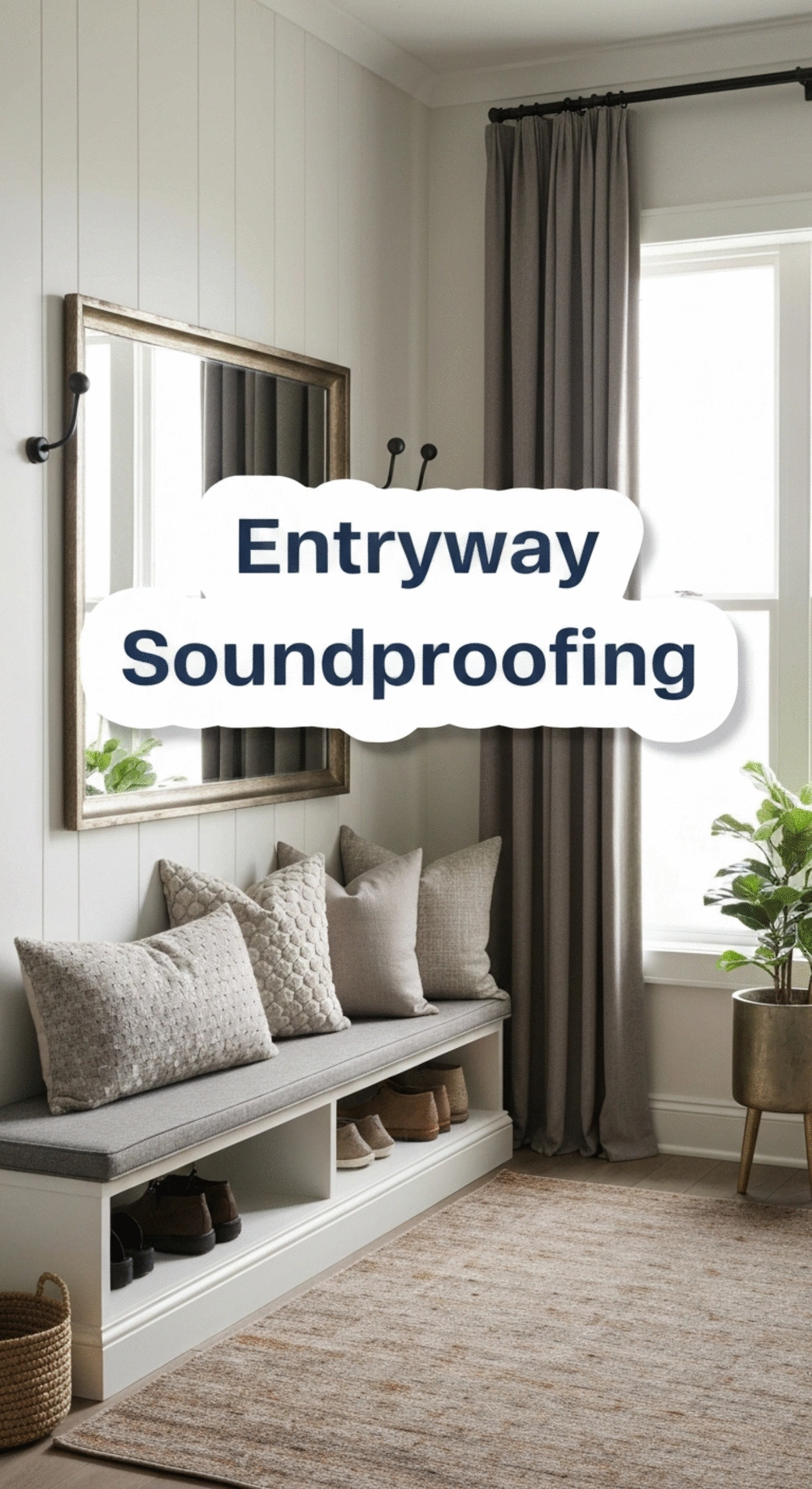

Did you know that the design of your entryway can significantly affect the noise levels in your home? Understanding this aspect can transform your space into a tranquil haven. Let’s explore some essential strategies!
As an Amazon Associate I earn from qualifying purchases. Affiliate links may earn me a commission at no extra cost to you.
What You Will Learn
- Identifying common sources of noise in entryways, including traffic, weather, and household activities.
- Understanding how architectural elements like wall materials and layouts can influence sound transmission.
- Effective soundproofing strategies such as sealing gaps with weatherstripping and upgrading to solid core doors.
- The importance of multi-layer approaches that combine different soundproofing techniques for optimal results.
Understanding Noise Challenges at Entryways
When it comes to creating a cozy and inviting entryway, one often overlooked factor is noise disruption. Entryways experience a unique set of challenges that can impact the peace of your home. From bustling traffic outside to the lively activities happening within the household, it's essential to understand where noise is coming from and how it affects your space.
Common sources of noise can range from external sounds like passing cars and weather-related disturbances to internal distractions such as family members coming and going. Have you ever noticed how the sound of rain can create a soothing atmosphere, while a loud car horn might ruin that tranquility? Addressing these noise issues is crucial for crafting an entryway that reflects calmness and comfort.
Common Sources of Noise Disruption
- Traffic Noise: Vehicles passing by can create constant background noise that seeps into your home.
- Weather Conditions: Rain, wind, and storms can generate sounds that amplify through your entryway.
- Household Activities: Everyday noises from family members entering or leaving can disrupt the peace.
These noise sources are often underestimated but can significantly diminish the cozy atmosphere you aim to create. By identifying and understanding these challenges, we can take steps toward effective soundproofing solutions that enhance the ambiance in your entryway.
How Entryway Design Influences Sound Transmission
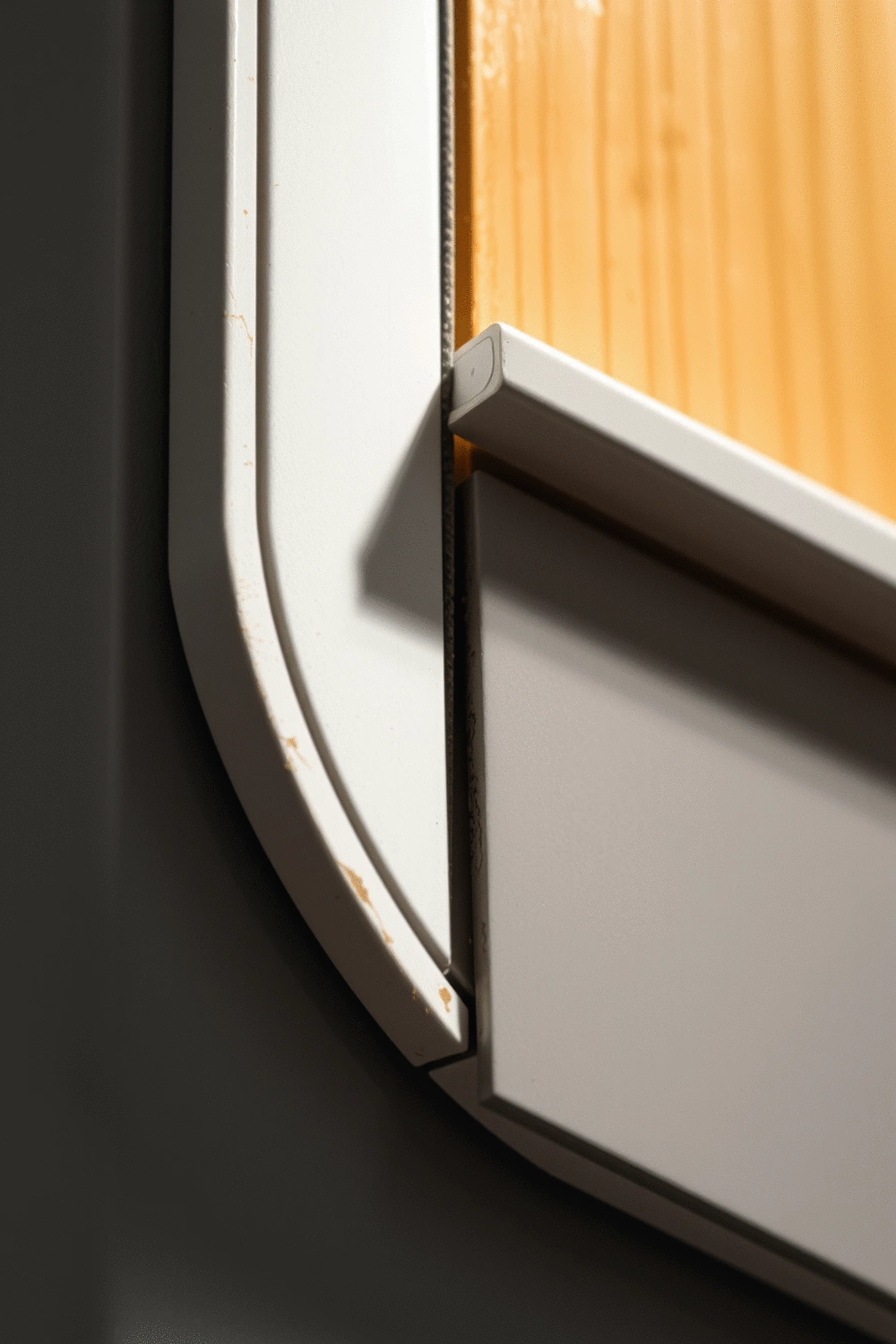
The design of your entryway plays a vital role in how sound travels through your home. Architectural elements such as wall materials, door sizes, and even the layout can either amplify or decrease noise issues. For instance, a narrow hallway can act like a tunnel, allowing sound to bounce around more. On the other hand, soft furnishings like rugs and curtains can absorb sound, creating a quieter environment.
When planning your entryway, consider how you can utilize design features to mitigate noise. Have you thought about how adding a decorative console table could not only enhance aesthetics but might also aid in sound absorption? Every little detail counts, and a well-thought-out design can help create that serene entryway you envision.
Effective Strategies for Soundproofing Entryways
Now that we’ve identified some common noise sources and the impact of design, let’s explore ways to effectively soundproof your entryway. Understanding the integration of various soundproofing materials and techniques will empower you to create a peaceful haven right from the moment you step inside!
Summarizing Effective Entryway Soundproofing Techniques
To create a cozy and welcoming home, soundproofing your entryway is essential! We’ve explored several key strategies that can significantly enhance the comfort of this space, ensuring that unwanted noise doesn’t disrupt your home’s tranquility. Here’s a recap of the most effective techniques:
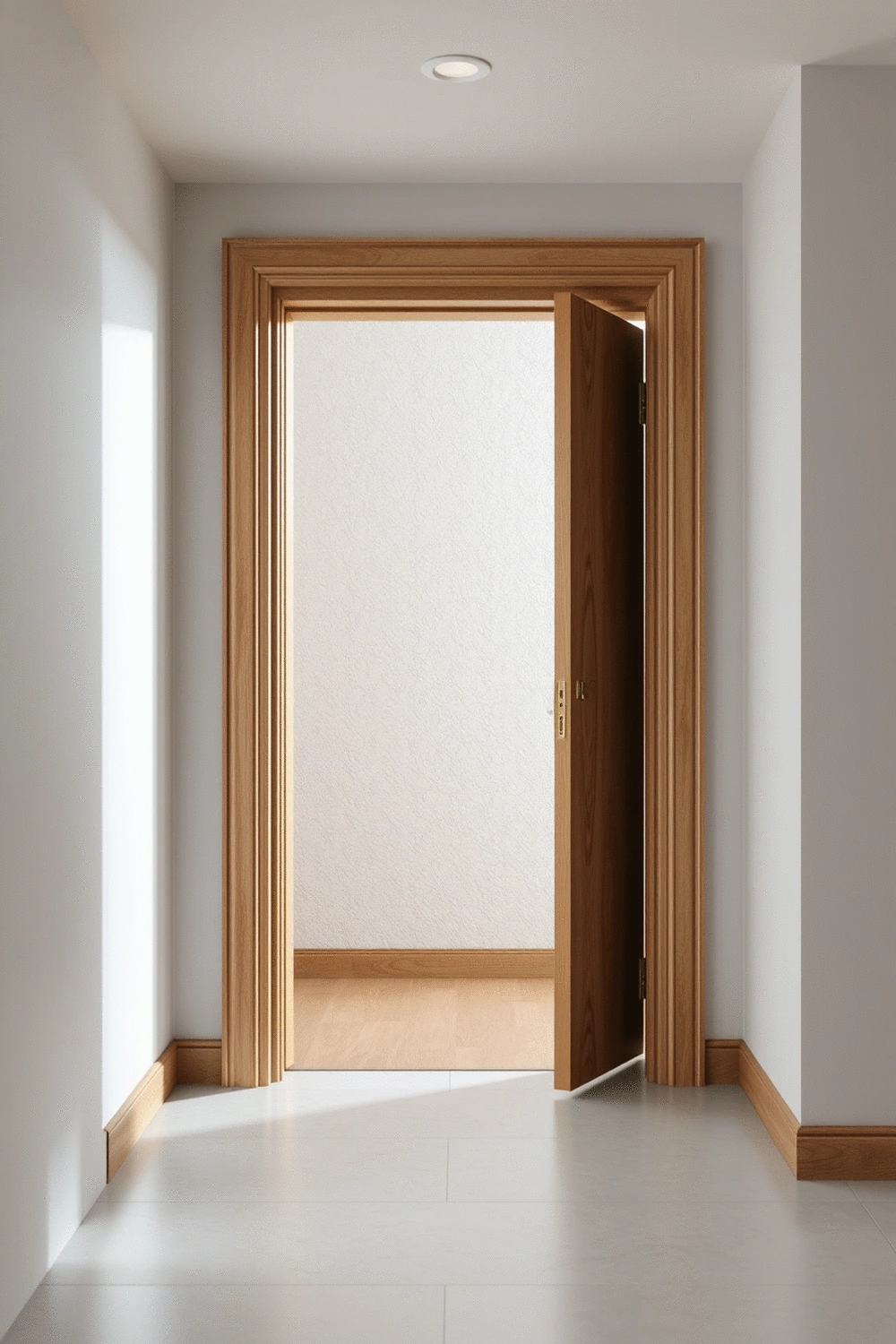
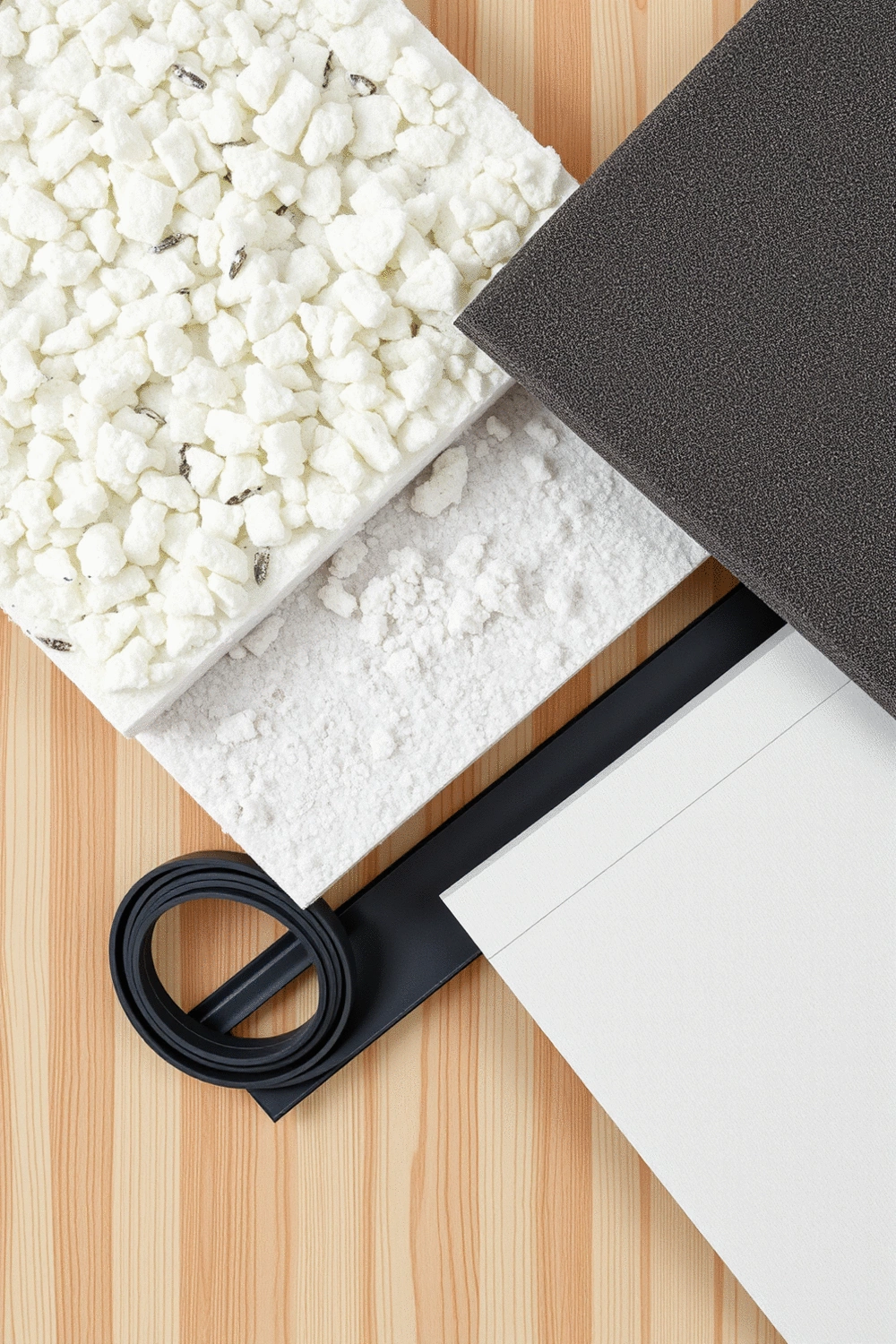
- Sealing gaps: Weatherstripping and door sweeps are vital for preventing sound leakage.
- Enhancing door mass: Upgrading to solid core doors or adding mass-loaded vinyl can greatly improve sound blocking.
- Choosing the right insulation: Using materials like fiberglass insulation and soundproof foam can absorb noise effectively.
- Multi-layer approaches: Combining several techniques, such as sealing, adding mass, and incorporating sound absorption, yields the best results.
By implementing these soundproofing techniques, you’ll not only create a more peaceful entryway but also enhance the overall ambiance of your home. Have you considered how sound disturbances affect your daily routine? The right soundproofing solutions can transform your entryway into a serene oasis!
Frequently Asked Questions About Entryway Soundproofing
- What are the main sources of noise in an entryway?
- Common noise sources include external traffic, adverse weather conditions (rain, wind), and internal household activities such as people entering or leaving.
- How does entryway design impact sound transmission?
- Architectural elements like wall materials, door types, and layout can either amplify or reduce noise. Narrow hallways can act as sound tunnels, while soft furnishings like rugs and curtains help absorb sound.
- What are some effective strategies for soundproofing?
- Key strategies include sealing gaps with weatherstripping and door sweeps, enhancing door mass with solid core doors or mass-loaded vinyl, and using sound-absorbing insulation materials like fiberglass or soundproof foam.
- Why is a multi-layer approach recommended for soundproofing?
- A multi-layer approach combines several techniques (sealing, adding mass, absorption) to achieve the best results, addressing different aspects of sound transmission and absorption for optimal quietness.
- When should I consider professional help for soundproofing?
- While many DIY techniques are effective, consulting a professional can provide tailored solutions for complex or persistent noise issues, ensuring comprehensive and effective soundproofing.
Next Steps for Implementing Soundproofing Solutions
Now that you’re equipped with effective soundproofing strategies, it’s time to assess your entryway’s noise issues. Start by identifying where the noise is coming from, whether it’s external traffic, weather-related sounds, or internal household activities. Then, explore the recommended solutions we discussed and take actionable steps towards a quieter home.
If you’re looking for practical tips on creating organized spaces, check out our post on how to create a drop zone for daily essentials. This can complement your soundproofing efforts by maintaining a tidy area that feels more relaxed and welcoming.
For ideas on creating an inviting living room that connects seamlessly with your entryway, explore inviting entryway to living room for a warm home.
Get Expert Help if Needed
Remember, while DIY techniques can be effective, consulting a professional might provide tailored solutions that suit your individual needs. Sometimes a fresh perspective can uncover solutions you might not have considered! If you feel overwhelmed, don’t hesitate to reach out for expert advice. Soundproofing doesn’t need to be a daunting task with the right guidance.
For more inspiration on optimizing your space, be sure to read about entryway organization ideas to keep your area functional and stylish.
To further enhance tranquility throughout your home, consider exploring bedroom soundproofing ideas for deeper sleep.
Recap of Key Points
Here is a quick recap of the important points discussed in the article:
- Identify Noise Sources: Recognize common noise disruptions such as traffic, weather, and household activities.
- Design Matters: Entryway design influences how sound travels; consider soft furnishings for better sound absorption.
- Effective Soundproofing Techniques: Implement strategies like sealing gaps, enhancing door mass, and using appropriate insulation materials.
- Multi-layer Approaches Yield Best Results: Combine various soundproofing techniques for maximum effectiveness.
- Seek Professional Help if Needed: Don’t hesitate to consult experts for tailored soundproofing solutions.